
Featured Research and Researchers
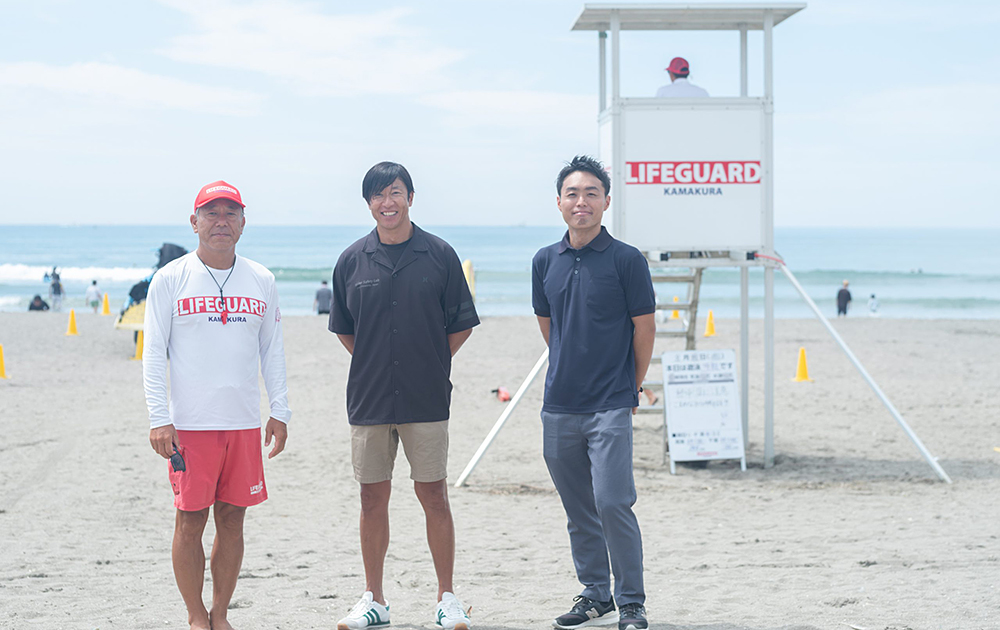
The “Water Safety Research Unit,” headed by Research and Development Initiative Institute Professor Toshinori Ishikawa, conducts research and development on AI and other cutting-edge technologies aimed at preventing accidents at unpatrolled beaches, bathing beaches and swimming pools.
One of the results of these efforts is the “AI-based Coastal Monitoring System”. This system prevents seaside drowning accidents by having cameras installed along the coast capture footage of the ocean, which is then analyzed in real time by AI. The introduction and updating of the system at Yuigahama Beach in Kanagawa Prefecture were made possible through the indispensable cooperation of Kamakura City and local lifeguards.
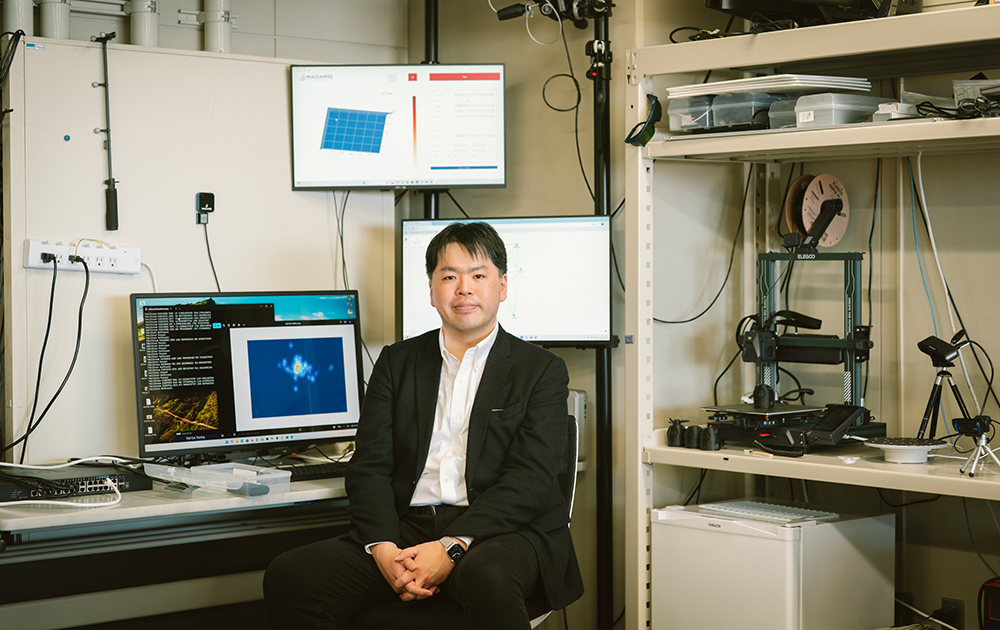
Creating new value and services through sensing and data science
Sensor devices are the collective term for components that convert any physical or chemical phenomenon into an electrical signal. They are built into a wide range of equipment—from smartphones to large-scale factories, and even artificial satellites. On the other hand, when we try to obtain some knowledge from them or develop a service, sensors alone can only provide values that are converted from physical phenomena, etc. to digital signals. It is only by incorporating statistical models or machine learning techniques into the obtained observation values that we can derive the intended information.
Japanese companies account for more than half of the global production of sensor devices, making this a highly competitive field for Japan. Unfortunately, there is a shortage of people with the skills necessary to develop services based on these technologies. We collaborate with industry partners to identify diverse needs, and we are committed to developing valuable, field-oriented services and continuously advancing our technical capabilities.
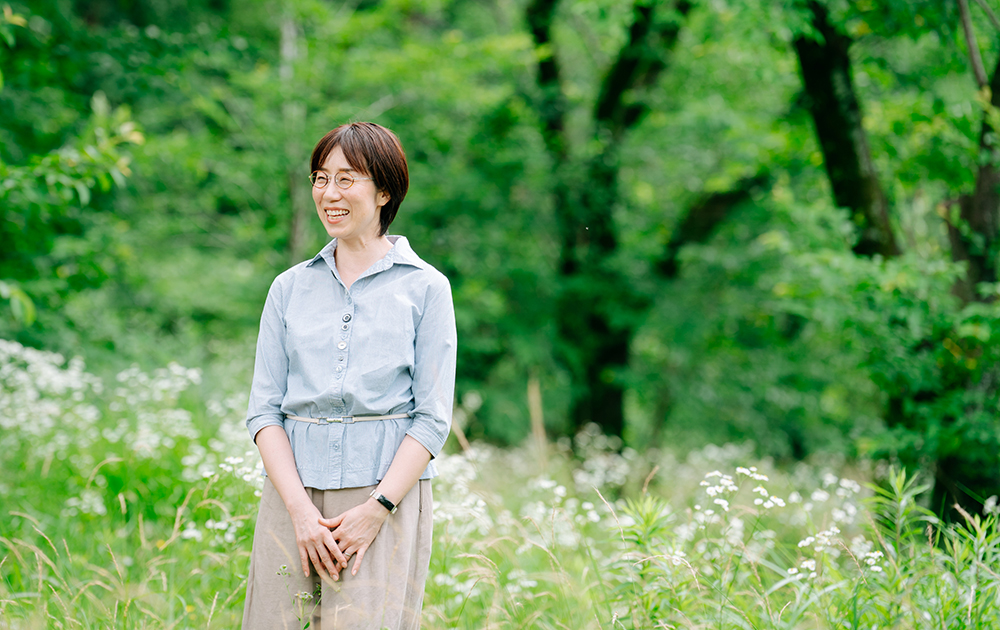
Supporting customer well-being through marketing
During my practical business experience in marketing, I began to ask, “What drives customers to keep using a company's services, or stop using, a specific company?” At the time, the business world was beginning to introduce Customer Relationship Management (CRM), which essentially quantifies customers as sources of profitability. I felt strongly that what was lacking here was a viewpoint that empathizes with customers' feelings. I realized that, from the customer’s perspective, customers rely on their own values to choose from among multiple companies in order to achieve their own goals. Our company was only one of these choices. Thus, we need to see beyond the bilateral relationship between the company and the customer and, instead, build a relationship with the customer within the network of the customer's entire consumption world. Helping customers achieve their goals, or well-being, is the reason for being of the company. People choose companies, and companies support people. This represents the quest for a new kind of marketing centered on customer support.
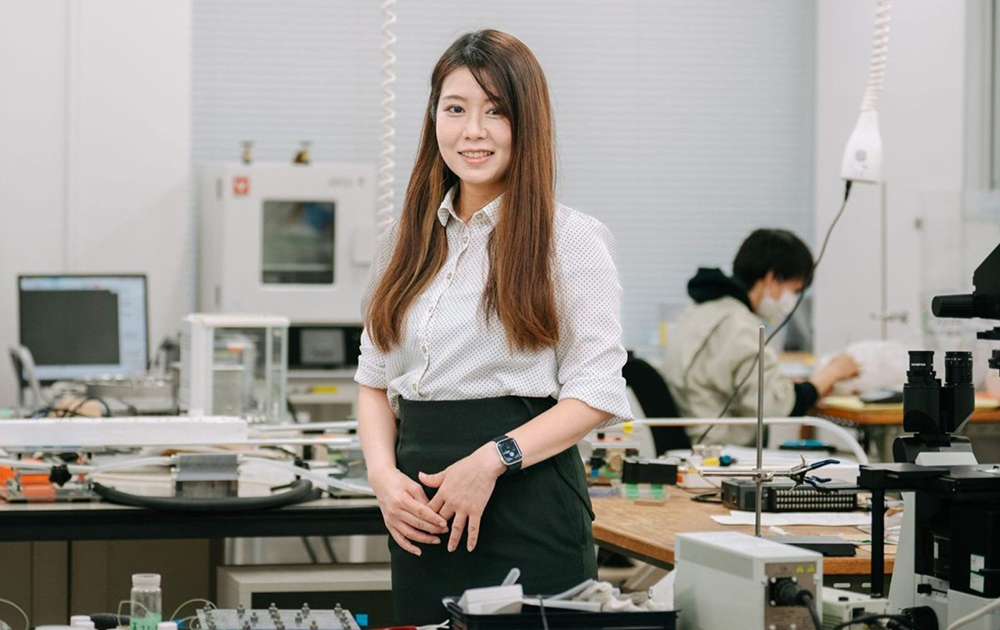
Develop a “smart fluid system” that optimizes thermal flow and minimizes heat waste.
Heat is often referred to as the graveyard of energy. Because, with over 60% of primary energy wasted as "heat". Meanwhile, approximately 60% of the generated energy is used to produce "heat" for hot water supply and air conditioning. Our objective is to harness waste heat effectively to mitigate this situation. However, heat remains a 'black box' in terms of flow, making it difficult to control and manage efficiently. No existing technology enables precise control over heat as desired.. To address this challenge, we aim to leverage refrigerant synthesis technology and thermal-fluid visualization measurement techniques to develop a new heat utilization method: a smart fluid system. This system will enable cooling in high-temperature environments, heat storage, and extraction of stored heat as needed.
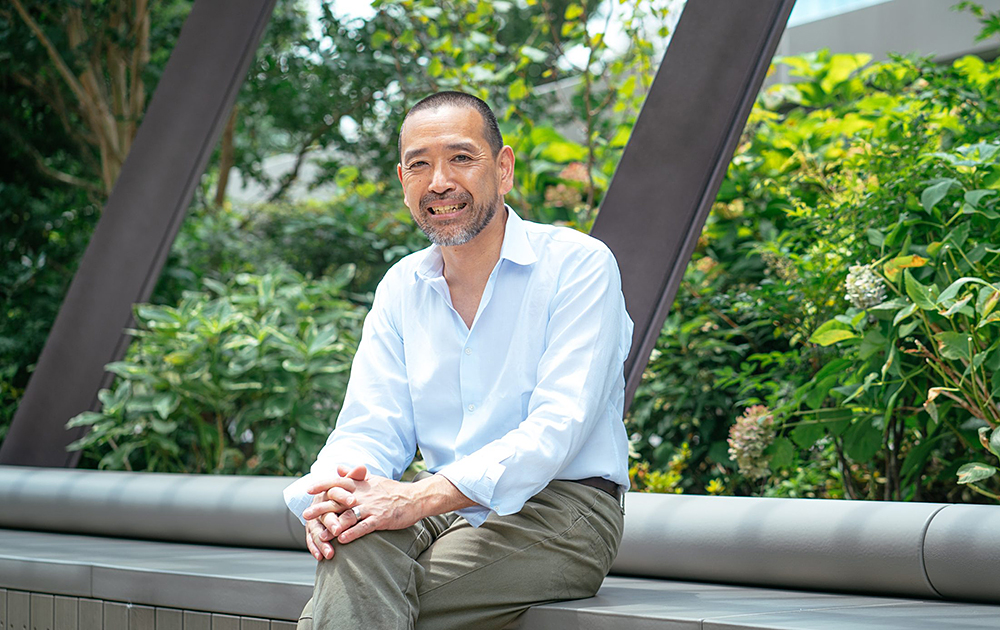
To achieve the conservation and sustainable use of freshwater eels
There are 16 species of freshwater eels in the world, most of which are classified as Endangered or Near Threatened. To achieve the conservation and sustainable use of freshwater eels, that are facing various threats in which human activities are strongly involved, an interdisciplinary approach that integrates not only biology but with various academic disciplines, such as political science, law, economics, and sociology, is essential.
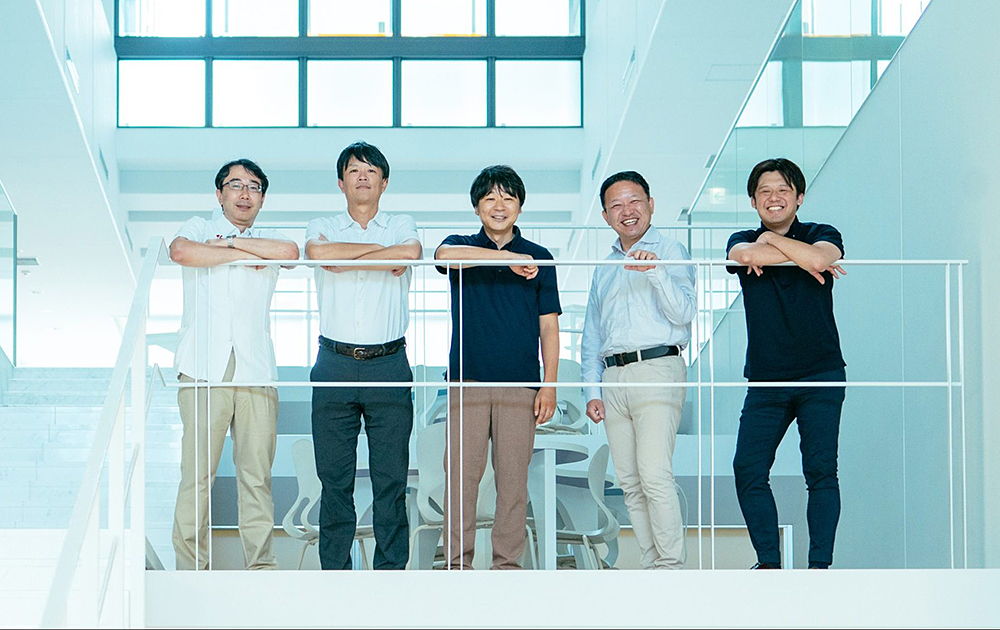
This study revealed that thicker drinking glasses made green tea taste sweeter, while thinner glasses made it more likely to taste bitter. The study, which received a strong response in the media and on social networking sites, was conducted with the support of flavor and fragrance manufacturer T. HASEGAWA CO.,LTD..
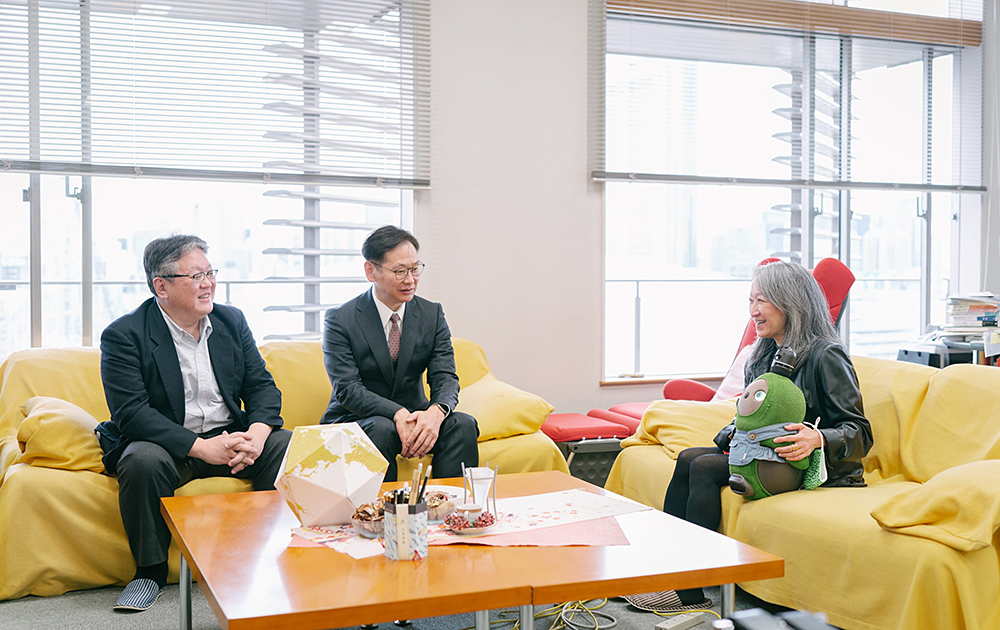
As a university focused on comprehensive education and research, Chuo University conducts advanced research on Cognitive Diversity with an aim of contributing to society. This research demands the fusion of technology development—that is rooted in science and engineering—with humanistic and social approaches that tackle the challenges that emerge from the social implementation of this technology.
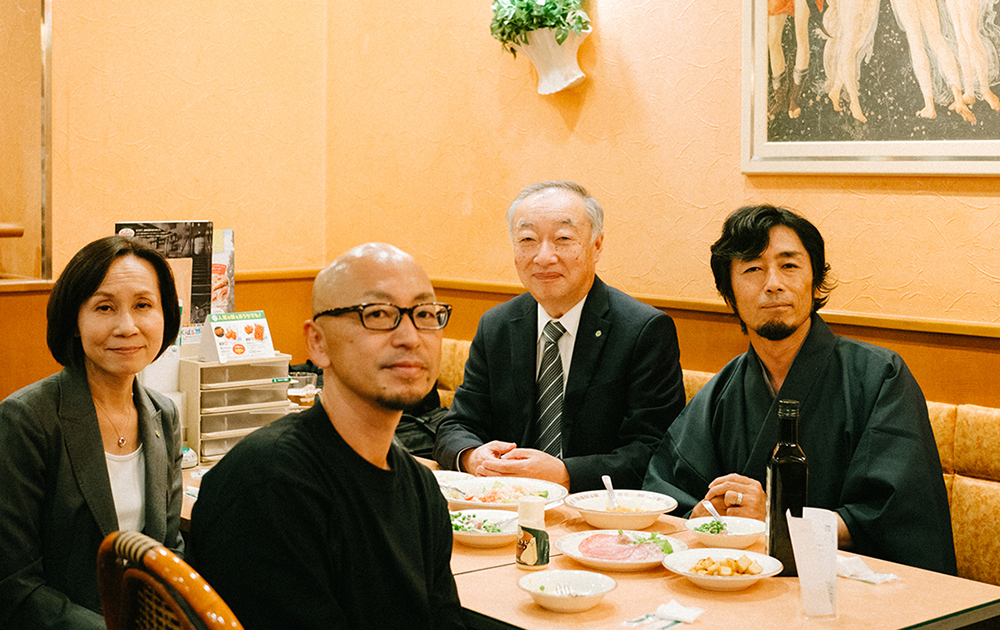
The national Italian restaurant chain Saizeriya Co. has collaborated with Prof. Ippeita Dan of the Department of Integrated Science and Engineering for Sustainable Society, Faculty of Science and Engineering, Chuo University to quantify and model consumer sentiment in such a way that the findings can be used for brand development and menu creation.
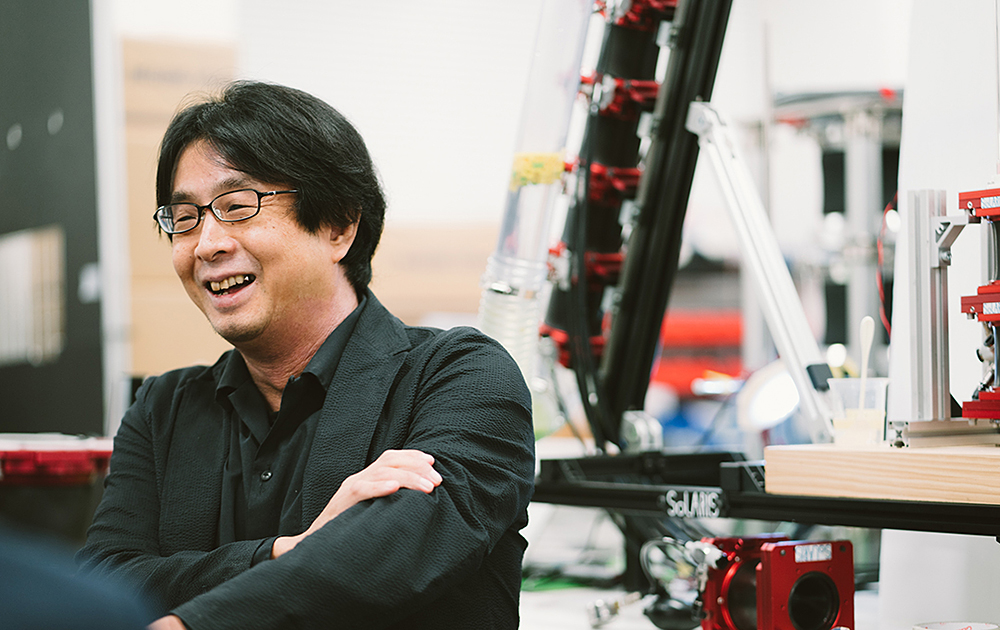
Robots that can crawl like earthworms are lined up on the floor of the Prof. Taro Nakamura’s Biomechatronics Laboratory, which is part of the Department of Precision Mechanics in Chuo University’s Faculty of Science and Engineering.
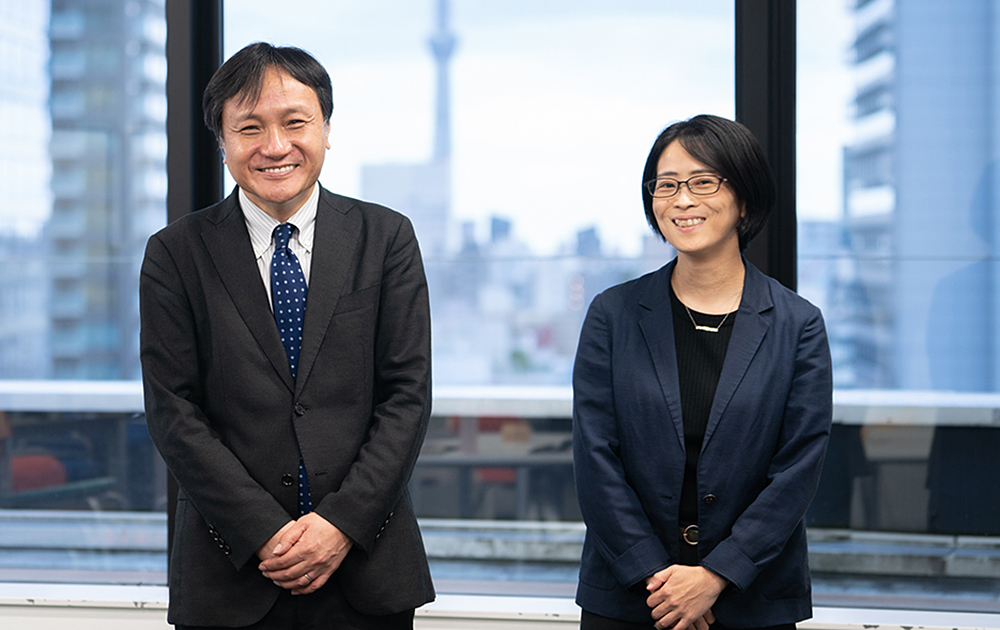
In July 2020, the market and marketing research firm Nikkei Research Inc. released a human traffic measurement service called Skia. The technology for this service was developed by Prof. Mihoko Niitsuma of the Department of Precision Mechanics at Chuo University’s Faculty of Science and Engineering.
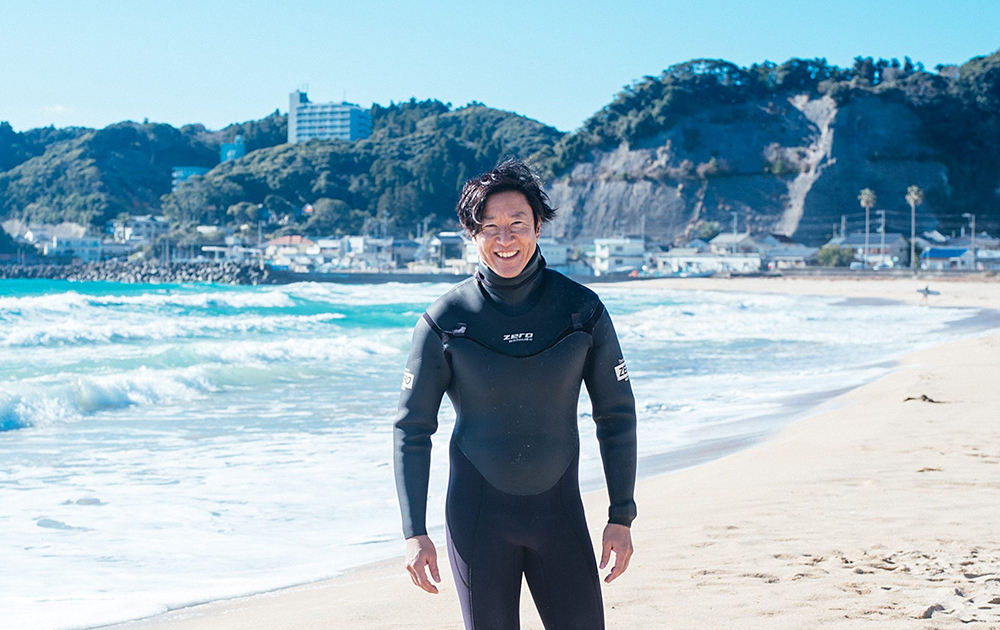
Desire to provide safety and security so that beaches and watersides remain enjoyable places
Accidental drowning and drowning accidents occur frequently in Japan, and approximately 100 people die each year while swimming, especially in the sea.
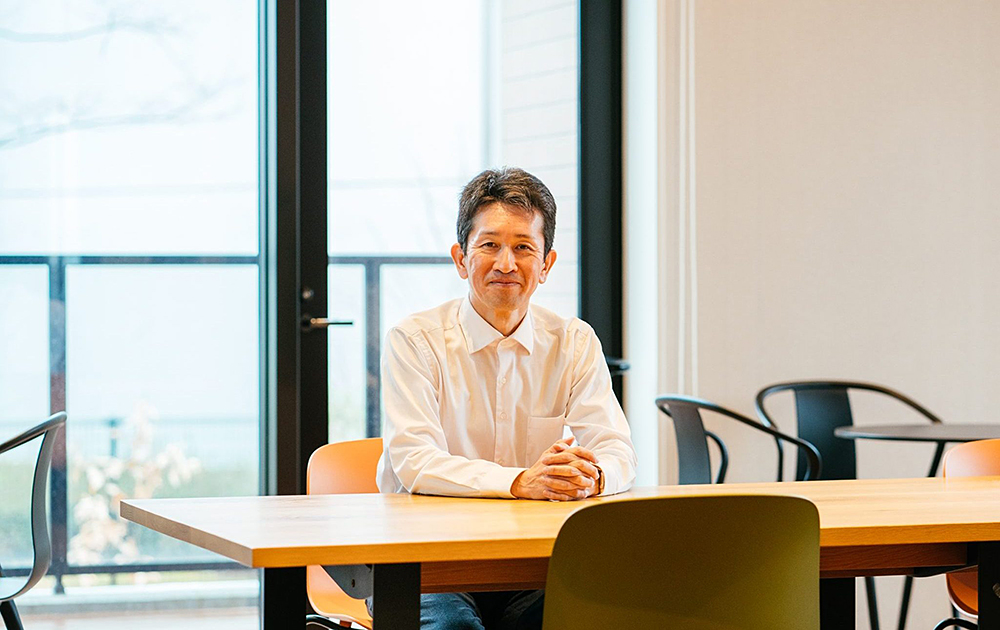
Study of urban and regional policies that facilitate living in harmony with the environment
How should we devise and utilize the resources of the region in which we live in order to live more affluent lives?
Ski resorts in Japan are now entering an era of unprecedented diversification and internationalization.Under these circumstances, the nature of accidents that occur at ski resorts is changing.
Every day, we look up information on search engines and ChatGPT, share information on social networking sites, and shop at shopping malls. We have access to these things because of the rapid development of our digital society. However, this is also deeply connected to the collection and use of personal information.
We seek growth and self-actualization in a variety of settings and interactions: at home, at school, in the community, at work, in the marketplace, and also in cyberspace. At times, however, crimes and malicious misconduct threaten these interactions.
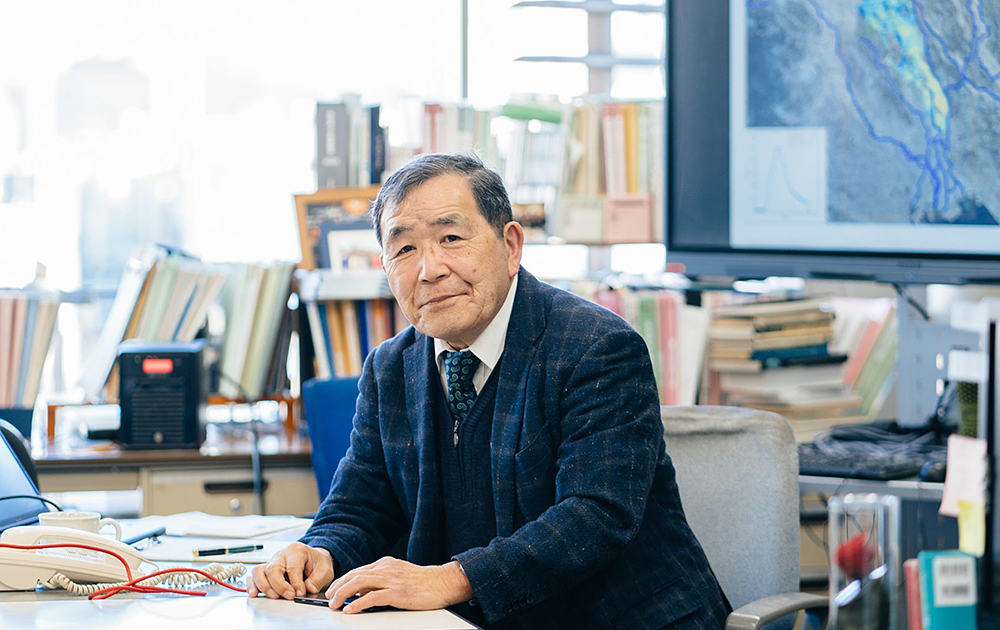
Enriching society by solving water problems in Japan and globally
I have worked for about 50 years in every area of research related to water, including civil engineering, hydrology, hydraulics, disaster prevention engineering, and meteorology.
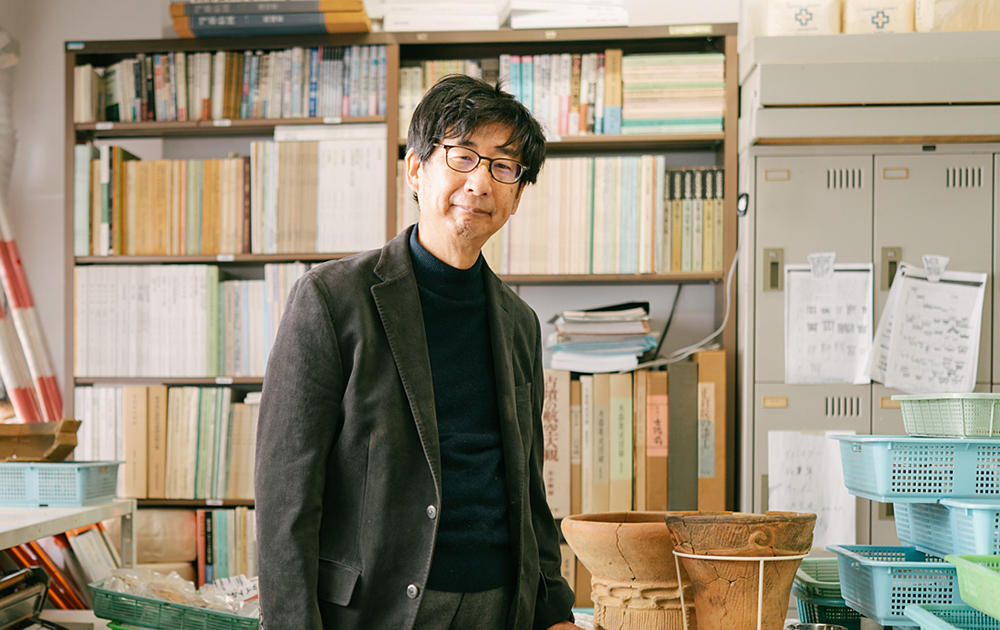
Revealing the progress of human society in the past through material culture
People always say, "Learn from history." Nevertheless, humankind has repeatedly made mistakes in responding to wars, epidemics, and natural disasters, establishing a history of self-destruction via social and cultural exhaustion.
Enriching the interactions between users and information systems
I originally specialized in information theory and signal processing, but I became interested in “human-system interaction” after being involved in research applying real-time video analysis to user interfaces.
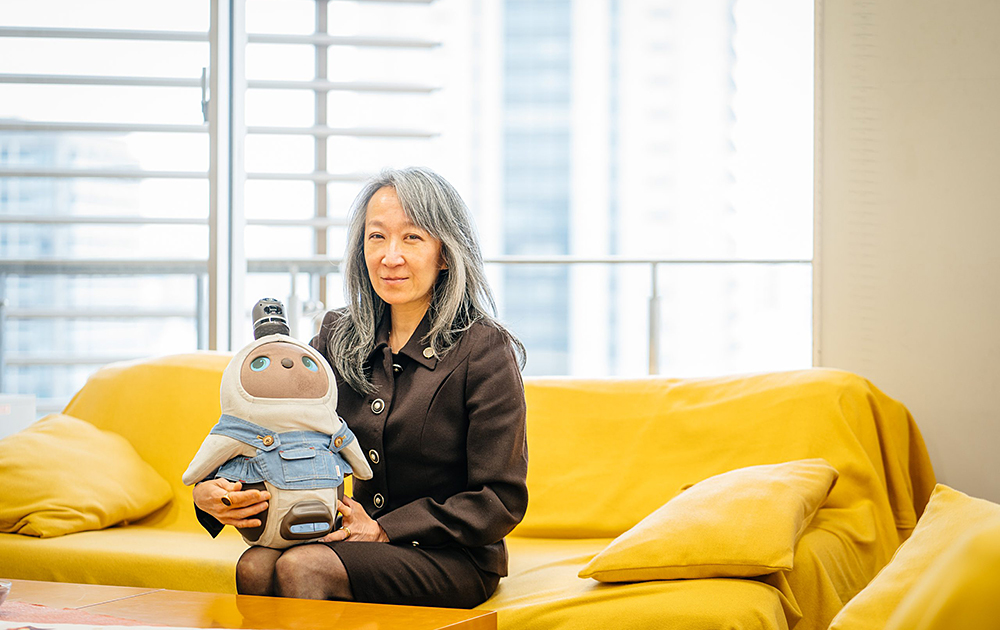
For example, when medical doctors treat patients, alongside with the treatment skill, healthcare system is necessary.
Benefit society by developing new and more effective ways to use microdata
COVID-19 has drawn renewed attention to the importance of information visualization and data-driven policies.
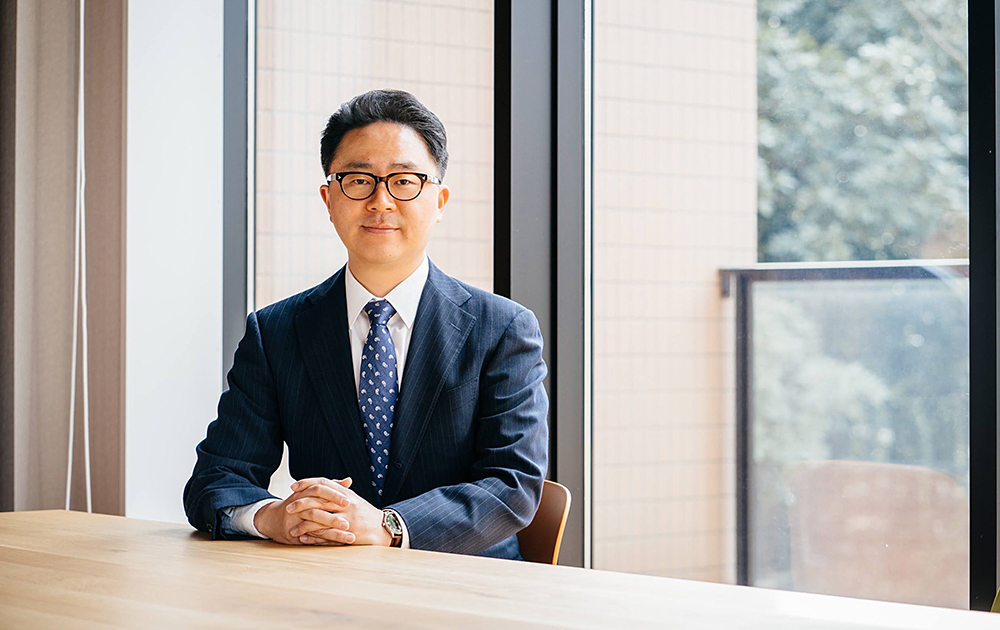
Exploring the effectiveness of sensory marketing and its potential applications
Today, products and services in all industries are becoming commodities, and it is becoming increasingly difficult to differentiate them only by functional dimensions such as quality and performance.
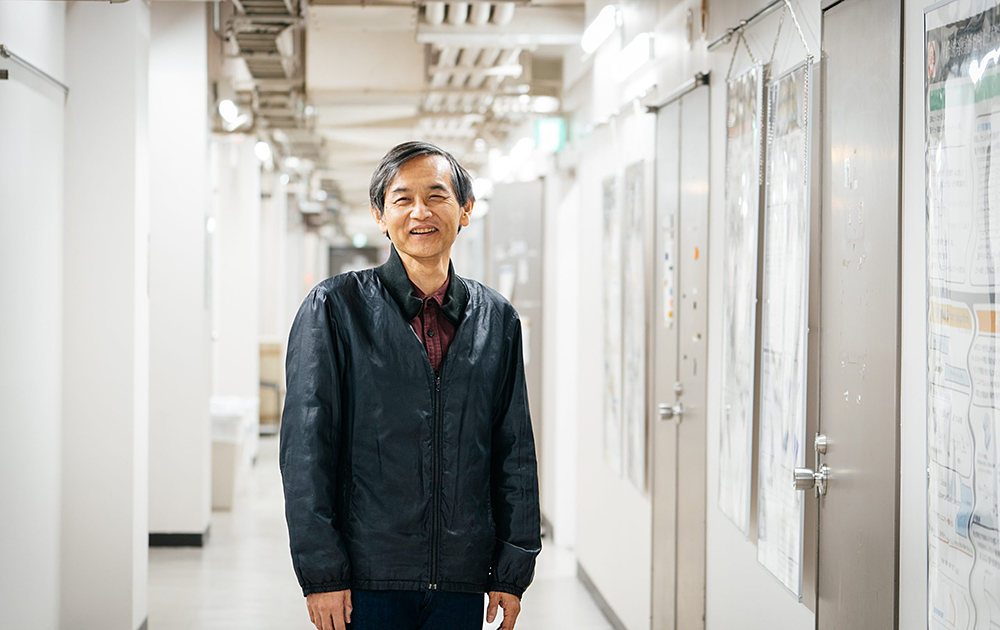
Study of living organisms and life phenomena using physics and information science
Physicists have long ignored living organisms as research subjects. However, they have recently turned their attention to modeling life phenomena and protein dynamics.
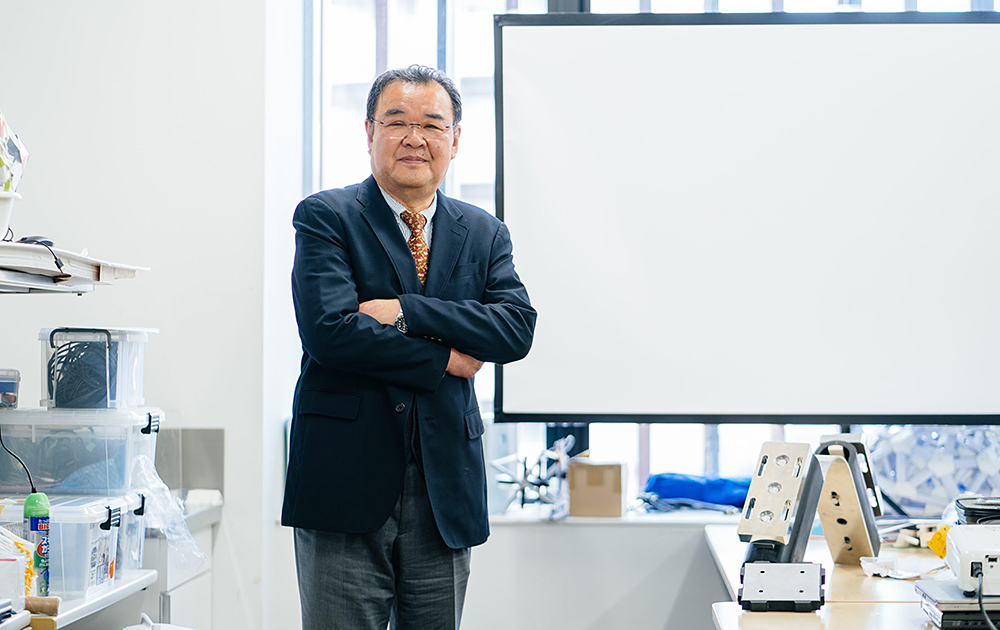
Seismic measures for water tanks protect "water of life" in preparation for a huge earthquake
In the event of a disaster, securing water is a life-threatening issue. In addition to its use in daily life, certain locations exist where huge amounts of water is indispensable, such as medical sites.
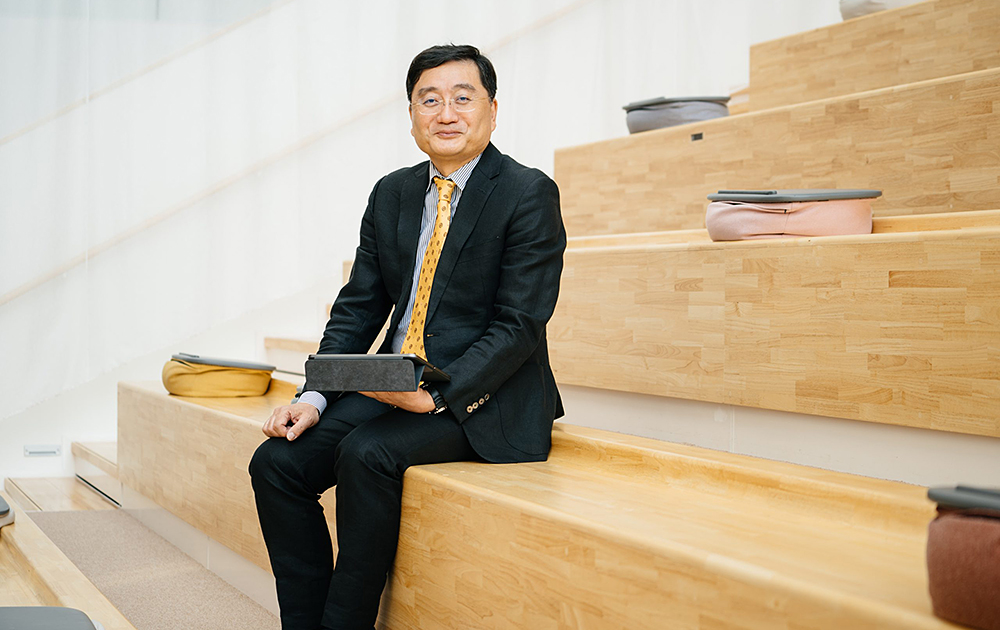
Discover the human potentials and make use of them for society
Every human being has creativity.
No matter how advanced AI becomes, one of the things that only humans can do is to activate ones’ creativity.
Seeking the development of law in response to the global and information societies
The legal system cannot be altered experimentally devoid of reason even if it is for the betterment of society.
- 1
- 2

